


Fiber Optic Networking in Kenya
Fiber Optic Networking in Kenya: 5 Reliable High-Speed Solutions
Fiber Optic Networking in Kenya provides fast, reliable and long-distance connectivity for businesses, institutions, CCTV systems, campuses and other organizations that need dependable network infrastructure. Fiber optic links use optical signals rather than electrical signals, making them suitable for high-bandwidth connections and environments where longer cable runs or electrical interference can be a concern.
What Is Fiber Optic Networking in Kenya?
Fiber optic networking uses fiber cables, optical transceivers and compatible network equipment to transmit data using light. Compared with traditional copper Ethernet, fiber is particularly useful when a network requires longer-distance links, higher bandwidth potential or better resistance to electromagnetic interference.
A typical fiber connection may include a network switch, SFP or SFP+ transceiver, fiber patch cable, connectors and a compatible fiber termination. The correct combination depends on the required speed, distance, fiber type and equipment.
5 Key Benefits of Fiber Optic Networking
1. Long-Distance Connectivity
Fiber can connect network locations over distances that exceed the practical reach of standard copper Ethernet. The achievable distance depends on the fiber type, optical modules, wavelength and network equipment.
2. High Bandwidth Potential
Fiber supports high-speed network architectures and is commonly used for Gigabit and higher-speed backbone, uplink and inter-building connections.
3. Reduced Electromagnetic Interference
Because data is transmitted as light, fiber is not affected by electromagnetic interference in the same way as copper cabling. This makes it useful in electrically noisy environments.
4. Reliable Building-to-Building Links
Fiber is a strong option for connecting separate buildings, departments, server rooms, CCTV locations and distribution points where long cable distances are involved.
5. Scalable Network Infrastructure
A properly designed fiber infrastructure can provide a foundation for future network upgrades by allowing compatible optical modules and switching equipment to be upgraded as bandwidth requirements grow.

Fiber Optic Networking in Kenya: Single-Mode vs Multimode Fiber
| Feature | Single-Mode Fiber | Multimode Fiber |
|---|---|---|
| Typical use | Longer-distance links and service-provider/enterprise backbones | Shorter-distance LAN, campus and equipment-room links |
| Core | Smaller core | Larger core |
| Common standards | OS1 / OS2 | OM1 / OM2 / OM3 / OM4 / OM5 |
| Optical modules | Usually matched with appropriate single-mode optics | Usually matched with appropriate multimode optics |
Fiber Optic Networking in Kenya: Essential Equipment
- Fiber optic cables: Carry optical signals between network locations.
- SFP/SFP+ transceivers: Provide optical interfaces for compatible switches and networking devices.
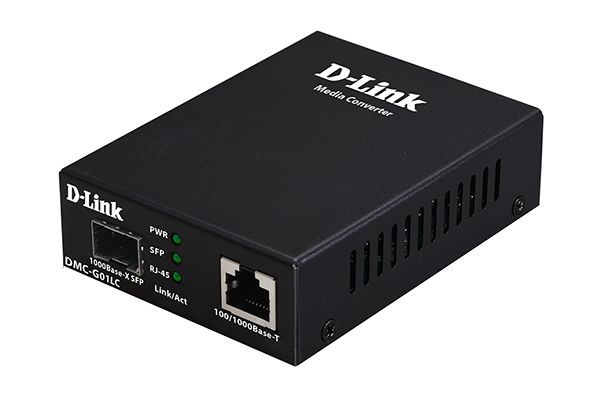
- Fiber media converters: Convert copper Ethernet to fiber and are useful when existing equipment has copper interfaces.
- Fiber patch cords: Connect optical equipment and patch panels using compatible connectors.
- Fiber patch panels: Help organize and terminate fiber cabling in structured installations.
- Network switches with SFP ports: Provide direct fiber uplinks without requiring a separate media converter.
Fiber Optic Networking for CCTV and Security Systems
Fiber is useful for CCTV installations where cameras, switches or buildings are separated by long distances. A fiber backbone can carry network traffic between remote camera locations and a central network or recording environment. Depending on the design, PoE switches can be used at the camera-side location while fiber provides the uplink to the core network.
How to Choose Fiber Optic Networking Equipment
- Determine the required speed: Choose 100 Mbps, 1 Gbps, 10 Gbps or another appropriate speed.
- Choose single-mode or multimode: Base this on distance, existing infrastructure and compatible optics.
- Check the connector: LC, SC and other connector types must match the equipment and patching system.
- Check the optical module: Confirm wavelength, fiber type, speed and transmission distance.
- Plan the cable route: Consider building layout, bend radius, protection and termination points.
- Test the finished link: Proper fiber testing helps identify excessive loss, poor termination or incorrect connections.
Fiber Optic Networking Applications in Kenya
- Office and corporate networks
- Campus and university networks
- Inter-building network connections
- CCTV and security infrastructure
- Data center and server-room uplinks
- ISP and telecommunications infrastructure
- Industrial and electrically noisy environments
- Long-distance LAN and backbone connections
Why Choose M Heritage Technologies?
M Heritage Technologies provides networking products and technology solutions for businesses and institutions in Kenya. We can help you select compatible switches, fiber media converters, SFP transceivers, cabling and related network equipment based on your required speed, distance and installation environment.
For related solutions, explore Networking Solutions in Kenya, Fiber Media Converters in Kenya, Network Switches in Kenya and Structured Cabling Solutions in Kenya.
Frequently Asked Questions
What is fiber optic networking used for?
Fiber optic networking is used for high-speed and long-distance data connections between switches, buildings, server rooms, CCTV locations and other network endpoints.
What is the difference between single-mode and multimode fiber?
Single-mode fiber is generally used for longer-distance optical links, while multimode fiber is commonly used for shorter-distance LAN and campus connections.
Do I need an SFP for fiber networking?
If your switch or network device uses an SFP port, a compatible SFP transceiver is normally required. The exact module depends on speed, fiber type, wavelength, connector and distance.
Can fiber be used for CCTV?
Yes. Fiber is commonly used as a backbone or uplink in CCTV networks, especially where cameras or network switches are located far from the main recording or network equipment.
Can existing copper equipment connect to fiber?
Yes. A compatible fiber media converter can convert copper Ethernet to a fiber connection, while switches with SFP ports can connect directly to compatible optical transceivers.
Get Fiber Networking Solutions in Kenya
Need help selecting fiber optic equipment for your office, campus, CCTV system or business network? Contact M Heritage Technologies for guidance on fiber cables, SFP modules, media converters, switches and related networking equipment.