


NVR Systems in Kenya
NVR Systems in Kenya: 7 Powerful Features for Smarter CCTV
NVR Systems in Kenya provide a central platform for recording, managing and reviewing footage from IP security cameras. NVR means Network Video Recorder. Unlike a traditional DVR, an NVR is designed for network-based cameras and can work with Ethernet, PoE switches and other IP networking equipment. For businesses, institutions, homes and industrial sites, a properly selected NVR helps turn individual cameras into an organized surveillance system.
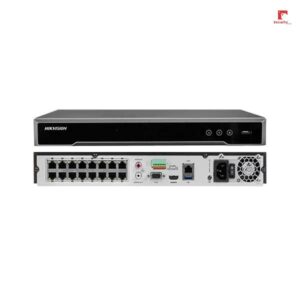
What Is an NVR System?
An NVR is a dedicated recorder that receives video from IP cameras over a network, processes the video and stores recordings on hard drives. Depending on the model, it may also provide live viewing, playback, event search, user management, alarm functions, remote access and intelligent video features.
In a typical installation, IP cameras connect to the local network through PoE switches or a PoE-enabled NVR. The NVR then manages the camera streams and stores the selected footage. This makes the recorder an important part of both the CCTV system and the network infrastructure.
7 Key Benefits of NVR Systems in Kenya
1. Centralized Video Recording
An NVR brings footage from multiple IP cameras into one recording platform. As a result, security personnel can view live feeds and search recorded events from a central interface.
2. Support for IP Cameras
NVRs are built for network cameras. They can support different camera types and resolutions, subject to the recorder’s channel count, bandwidth and compatibility. This makes them suitable for modern IP surveillance installations.
3. PoE Connectivity
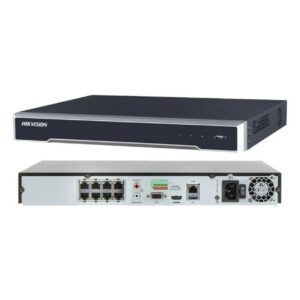
Many NVR models include Power over Ethernet ports. With PoE, compatible cameras can receive power and data through a single Ethernet cable. This can simplify installation and reduce the amount of separate power cabling required.
4. Flexible Storage
NVRs can use surveillance-grade hard drives to retain recorded footage. Storage requirements depend on the number of cameras, resolution, frame rate, compression, recording schedule and retention period. Therefore, storage should be calculated before installation.
5. Remote Viewing
Compatible NVR systems can allow authorized users to view cameras and recorded footage remotely through supported applications or web interfaces. This is useful for business owners and security teams who need to monitor sites while away.
6. Smart Video Management
Depending on the NVR and connected cameras, features may include motion detection, event search, line crossing, intrusion detection, human and vehicle classification and other video analytics. The exact functions depend on the model and camera capabilities.
7. Scalable CCTV Management
NVR systems are available in different channel capacities. Smaller systems can serve homes and small businesses, while higher-capacity recorders can manage larger surveillance deployments. Choosing spare channels can also make future camera expansion easier.
NVR Storage: How Much Do You Need?
Storage is one of the most important parts of an NVR installation. A system recording many high-resolution cameras continuously will require substantially more storage than a smaller system using scheduled or event-based recording.
When planning storage, consider the number of cameras, camera resolution, recording hours per day, frame rate, video compression and the number of days you want to retain footage. A professional installation should size the hard drives around the required retention period rather than choosing capacity at random.
PoE NVR vs Standard NVR
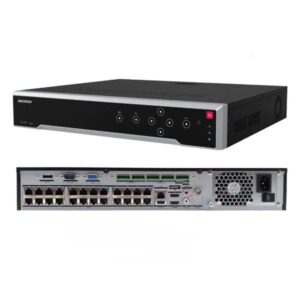
A PoE NVR has integrated PoE ports that can directly connect compatible IP cameras. This can be convenient for smaller installations where the cameras and recorder are located within the required Ethernet distance.
A standard NVR may rely on a separate PoE switch or network switch. This approach can provide greater flexibility for larger installations because cameras can be distributed across network infrastructure and connected from different locations.
NVR vs DVR: What Is the Difference?
The main difference is the type of camera and how video reaches the recorder. DVR systems are commonly associated with analog HD cameras connected using coaxial cable. NVR systems are designed for IP cameras that send digital video over a network.
For new installations requiring IP cameras, network connectivity, PoE and advanced features, an NVR is often the more suitable architecture. However, the right choice depends on the existing cameras, cabling, budget and project requirements.
Where Are NVR Systems Used?
- Offices and commercial buildings
- Retail shops and supermarkets
- Schools, colleges and universities
- Hotels, apartments and residential estates
- Warehouses and logistics facilities
- Factories and industrial sites
- Hospitals and institutions
- Construction sites and large compounds
How to Choose NVR Systems in Kenya
- Count your cameras: Choose enough channels for the current installation and consider future expansion.
- Check incoming bandwidth: Make sure the NVR can handle the combined video streams from the connected cameras.
- Match camera resolution: Confirm that the recorder supports the resolutions and encoding used by your cameras.
- Plan storage: Calculate the required hard-drive capacity from your retention period and recording settings.
- Consider PoE: Integrated PoE ports can simplify smaller installations, while a separate switch may be better for distributed networks.
- Check smart features: If analytics are important, confirm which functions are supported by the exact NVR and cameras.
- Plan remote access securely: Use appropriate network configuration and strong credentials for authorized remote monitoring.
NVR Installation and Configuration in Kenya
Professional NVR installation involves more than connecting cameras. The network, PoE budget, IP addressing, recording settings, hard drives, user permissions, time synchronization and remote access should all be configured correctly.
M Heritage Technologies can help with CCTV system planning, NVR selection, camera integration, storage planning, installation and configuration for homes, businesses and institutions in Kenya.
Why Choose M Heritage Technologies?
M Heritage Technologies provides CCTV and IT solutions for customers in Kenya. We help match NVR capacity, storage, cameras and network equipment to the actual surveillance requirements of a site. Whether you need a compact PoE NVR for a small installation or a higher-capacity recorder for a larger project, we can help you plan a practical and reliable CCTV system.
Frequently Asked Questions About NVR Systems in Kenya
What does NVR stand for?
NVR stands for Network Video Recorder. It records and manages video from compatible IP cameras over a network.
How many cameras can an NVR support?
NVR capacity depends on the channel count and model. Common capacities include 4, 8, 16, 32 and higher-channel systems. The actual supported camera count can also depend on bandwidth and compatibility.
Can an NVR work with PoE cameras?
Yes. A PoE NVR can connect compatible PoE IP cameras directly through its built-in PoE ports. A standard NVR can also work with PoE cameras through a separate compatible PoE switch.
How long can an NVR store CCTV footage?
Retention depends on hard-drive capacity, camera count, resolution, frame rate, compression and whether recording is continuous or event-based. More cameras and higher-quality recording generally require more storage.
Can I view my NVR remotely?
Compatible NVR systems can support remote viewing through supported applications or network interfaces. Remote access should be configured securely and limited to authorized users.
Should I choose an 8-channel or 16-channel NVR?
Choose based on the number of cameras you need now and the expansion you expect later. If you currently need eight cameras but expect to add more, a 16-channel NVR may provide useful capacity for growth.
Looking for NVR Systems in Kenya? Contact M Heritage Technologies for NVR selection, CCTV recording, storage planning, installation and complete IP surveillance solutions.